Sports Psychiatrist · Founder & Executive Chairman, Full Circle Enterprises
I practice psychiatry inside professional sport.
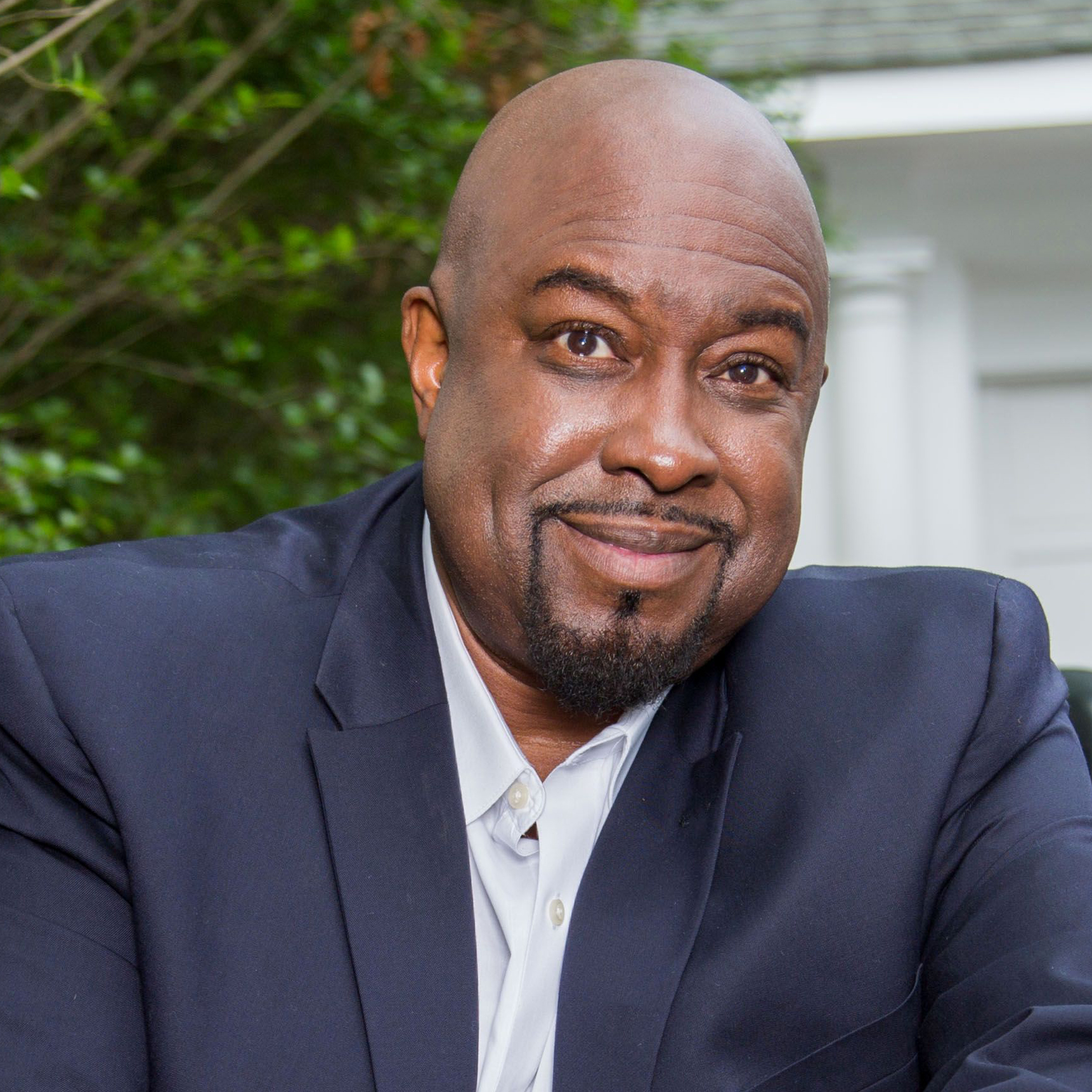
Forty-nine combined seasons across the NBA, NHL, NFL and MLS, including eighteen with the New York Knicks and the 2026 championship. Board certified by the American Board of Psychiatry and Neurology, which means I can do the performance work and the medical treatment, and tell which one a situation actually calls for. I work the same way with performers, executives and first responders.
Work with me
For organizations
Teams, leagues, studios, companies, and first responder agencies. On-site clinical coverage, behavioral health infrastructure, sleep and recovery programs, restorative practice, and consultation for leadership.
Request a consultationFor colleges and athletic departments
Athletic directors and student-athlete wellbeing staff. Program design, sleep and travel protocols for a full competitive season, staff training, and supervision for existing counseling staff. Engagements are scoped by season and program size.
Discuss a programFor individuals
Confidential psychiatric care for performers, executives, and their families, with the discretion the stakes require.
Inquire about careEndorsements
From players, coaches, front offices, and a league.
Endorsement 1 of 6
“If an athlete needs sleep medications, has ADD, needs individual counseling or marriage counseling, Suites, as a medical doctor and a sports psychiatrist, can help that athlete on all fronts.”
The work
Four leagues, twenty-five years.
Traditional psychiatry assumes the patient comes to you. In sport that model is reversed. You work inside an organization where nearly everyone an athlete meets wants something from them, so trust takes time and consistency to build.

New York Knicks. 18 seasons, including the 2026 championship.

Consulting team performance psychiatrist. 14 seasons.

Lead team clinician & supervising psychiatrist 12 seasons

Principal psychiatric consultant, restorative practices. 7 seasons.
Clinical and performance, in one person
Sleep is the clearest example. The same athlete may need help building a sleep routine one week, a diagnostic workup for an actual sleep disorder the next, and attention to the injury, the contract or the marriage that is the real reason he is awake at three in the morning. Those needs usually sit with different specialists. What I can offer is continuity across all of them, so an athlete does not have to start over every time the question changes.
- 01Education and protocol
Sleep hygiene, travel and circadian planning, recovery routines built around a competitive schedule.
- 02Behavioral treatment
Cognitive behavioral therapy for insomnia, and the counseling around it.
- 03Diagnosis
Recognizing when the problem is a sleep disorder, a mood disorder, ADHD, or a medical condition presenting as fatigue.
- 04Medical treatment
Prescribing when it is indicated, and knowing the anti-doping and next-morning performance consequences before writing anything.
- 05The external cause
The injury, the contract, the press, the family situation. Often this is the whole answer.
Working with the staff you already have
Most organizations have good people in place: strength and conditioning, sports science, athletic trainers, a mental performance coach, a team physician. I am not a replacement for any of them, and the work goes better when they stay in it. What a sports psychiatrist adds is the medical layer and a view of the whole picture. I can take a case alongside a performance coach, order the workup that needs a physician, treat what turns out to be treatable, and hand the athlete back to the staff who see him every day. Very often the most useful thing I do is tell a coach that what they are already doing is right.
How the work happens
Elite performers are surrounded by people who want something from them, so they screen hard. No medication and no intervention reaches a player until it gets past that screen. I treat it the way pharmacology treats the blood-brain barrier, as the first problem to solve.
Conventional care is built around the fifty-minute hour. A player working through a season-ending injury talks when he is ready, which is often during warmups, in the training room, or in a quiet corner of the facility. The work has to be portable enough to meet that.
Part of embedded work is learning to be present without becoming part of the spotlight. Sometimes the job is to be a familiar piece of furniture in the room: there often enough and long enough that when an athlete is finally ready to talk, there is already someone to talk to.
You are treating an organization as well as a person: coaches, trainers, medical and support staff, front office, and the influences that appear on no chart, including family, agents and friends. A treatment plan that ignores them tends to fail on contact.
Sport
Athletes, coaches, and the staff around them.
Entertainment
Performers and creatives working under public scrutiny.
Corporate leadership
Executives and teams where one decision carries real cost.
First responders
Police, fire and medical personnel carrying repeated exposure and broken sleep.
Full Circle Enterprises
Four divisions, one approach, built over twenty-seven years. I am founder and executive chairman. The name comes from what I told Black Enterprise in 2004, a few years after starting the practice: the goal was to close the gaps in psychiatric care for our patients and complete the circle.
Full Circle Confidential
The concierge division. Founded 2005.
Mental performance and executive leadership coaching for professional athletes, corporate executives and elite performers. Board-certified psychiatrists, licensed clinicians and certified executive coaches. Peak performance and mental skills training, psychiatric evaluation and medication support, sleep and jet lag protocols, restorative conflict resolution, and discreet behavioral health support. Private pay only. No insurance, so no shared records.
fullcircleconfidential.comFull Circle Health
The flagship clinical practice. Founded 1999.
An award-winning, minority-owned community mental health practice serving children, adults and families across New York, and a trusted partner to social services agencies, court-involved programs, schools and faith-based organizations. Counseling, psychiatric and psychological evaluation, medication management, grief support, and restorative programs.
fullcirclehealthny.comFull Circle Life Enrichment Center
The nonprofit.
Mental health education and community support in the Bronx, in partnership with TD Bank.
fullcirclelifeny.comFCC Wellness
The digital platform.
On-demand confidential coaching and private counselling for a whole workforce, around the clock, sized for small and mid-size organisations as well as sports teams, schools and faith-based agencies. Members self-assess across eight dimensions of wellness and work from there. This is also the division behind the Suite Spot app and The SuiteSpot podcast.
fccwellness.orgSports Psychiatry Institute
Guardians of Elite Minds. A fellowship rotating licensed physicians through on-site team coverage, training clinicians to work at this level. It follows from fifteen years of published work on how clinicians choose a practice setting and navigate the institutions they join.
Faith and leadership restoration
An ordained minister as well as a physician, which is why Full Circle Confidential also serves pastors and ministry leaders, and why the trauma-training work with New York church groups after 9/11 sits in the publication record below.
Trained as a journalist first
Columbia University Graduate School of Journalism, 1988, then straight to medical school. It is why the writing has always been part of the practice rather than an addition to it.
Earlier hospital work
Assistant clinical director of Bronx Psychiatric Center, serving a population of roughly 2,500 patients. Seeing how administrative decisions landed on patients is what led to founding Full Circle Health in 1999.
Faculty
Assistant clinical professor of neuro-psychopharmacology, Columbia University Teachers College, for ten years through 2025.
Speaking
Sleep and performance, mental recovery, performance anxiety, mindfulness and spirituality, and leadership under pressure. Enquire about a date
The podcast
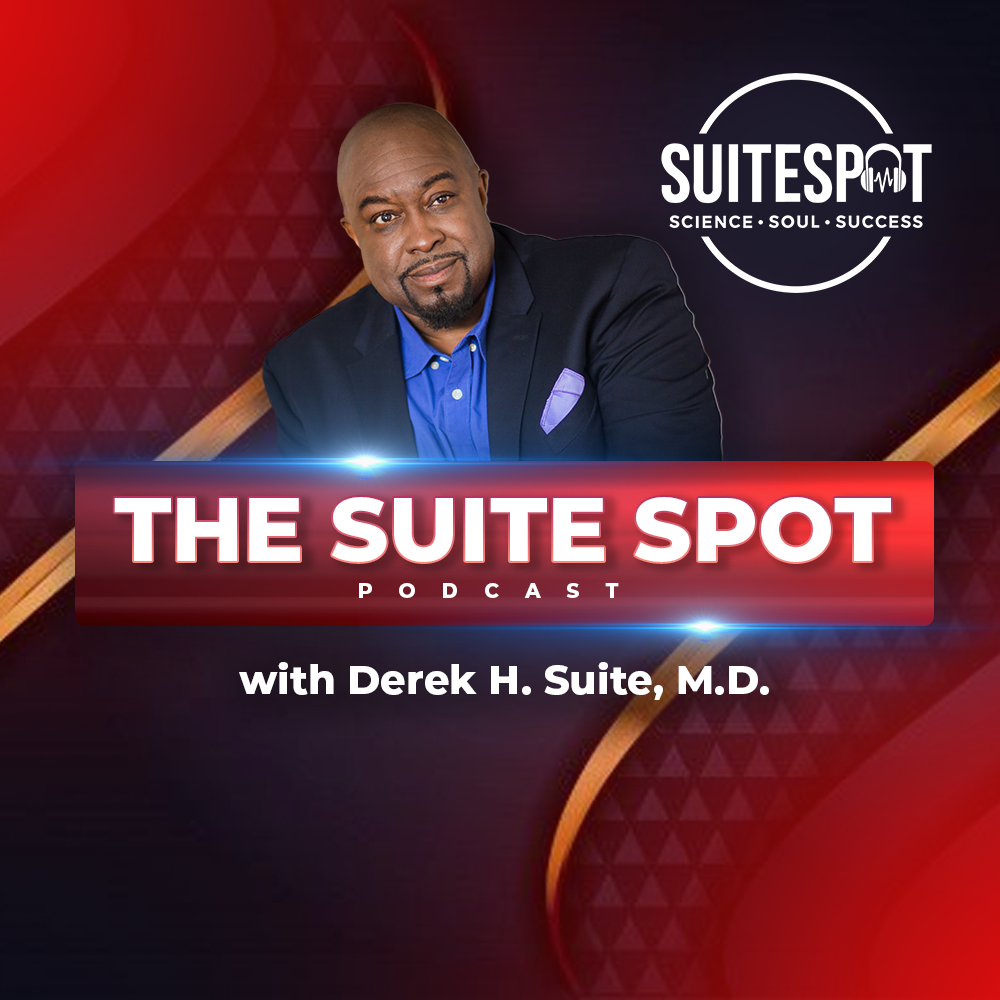
The SuiteSpot
A weekly show about what holds people up under pressure, drawing on science, practical wisdom and scripture. Episodes run seven to ten minutes. Made for athletes, coaches, executives, students, frontline personnel, and anyone working through an injury, a setback or a hard season.
Also on Amazon Music, iHeartRadio, Pocket Casts, Overcast, Castbox, Deezer and Podcast Addict. RSS feed.
Current series: Raise Your Floor, The Science of Standards
- 01 / 7Making Moves
- 02 / 7Take Action
- 03 / 7Win It All
- 04 / 7Trust Yourself
- 05 / 7Finish Strong
- 06 / 7Self Care
- 07 / 7Slow Down
Session art
01 / 05Session artwork 1 of 5




The app
Suite Spot
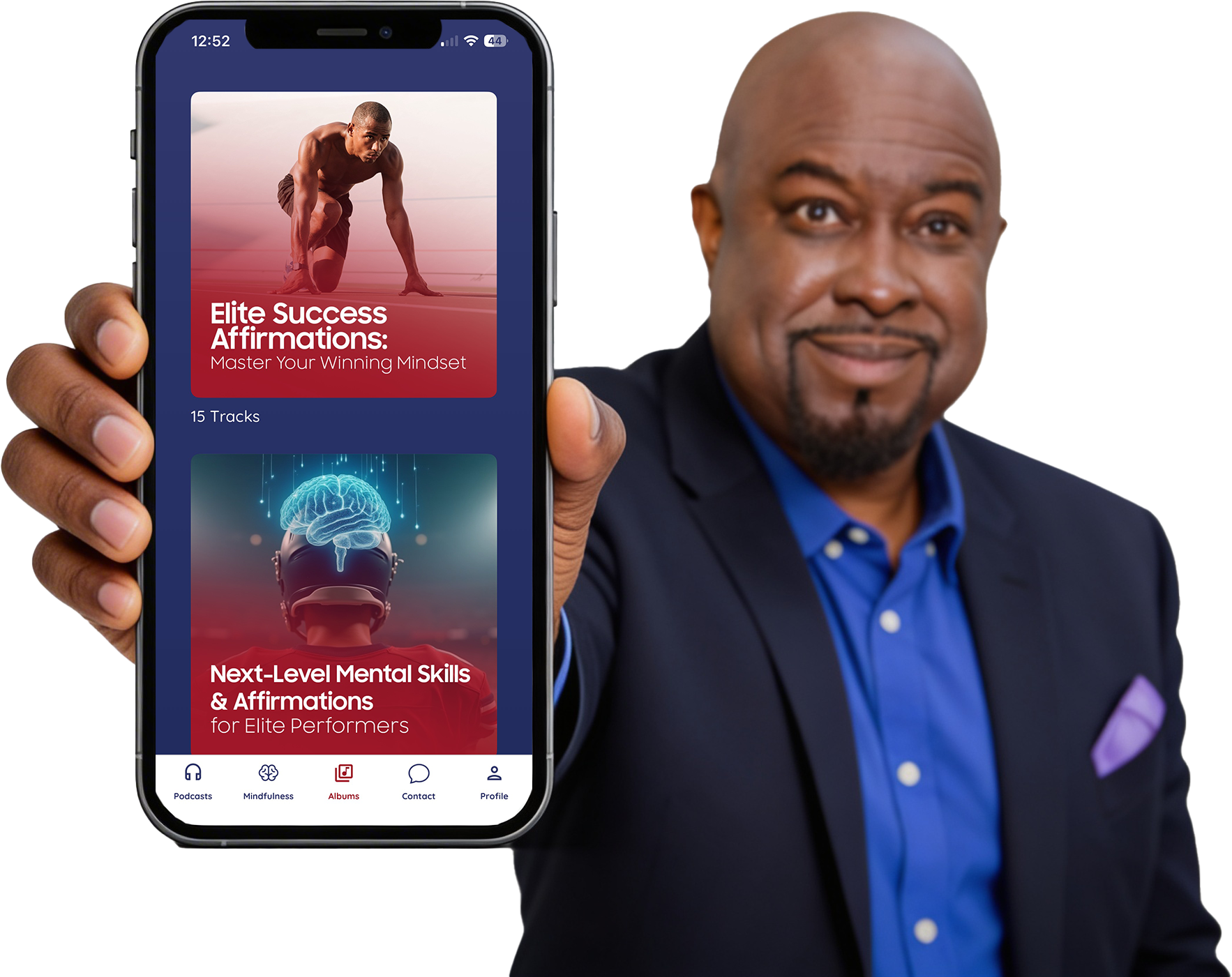
Audio mental training, built from the protocols I use with professional athletes.
Performance protocols for high-stakes moments, including crisis control and pre-performance activation, recorded without background music. Conscious breathing practices for stress regulation. A focus and execution series with Christian, Buddhist, blended, real-world and science-based sessions. Affirmations and mindset training. Audio albums including Champion’s Spirit and Conquer the Climb.
$4.99. iPhone and iPad. Published by FCC Wellness, the Full Circle digital division.
The book, in progress
Sleep as Performance Medicine
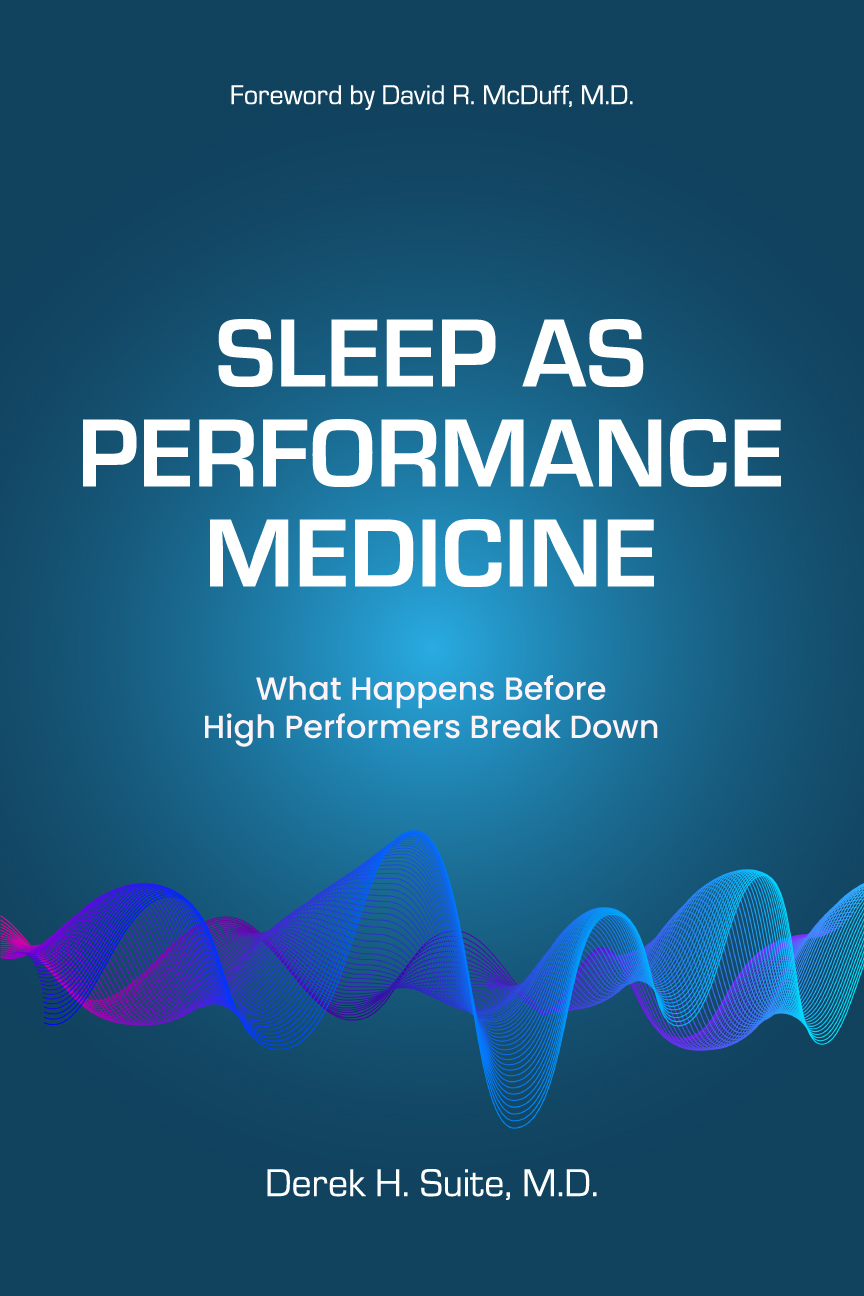
What happens to high performers before they break down.
Sleep is not the reward you get after the work. It is the clinical instrument that decides how much work a person can survive, how they think, how they recover, how they hold their temper, and how long their nervous system lasts. This book is the case for treating it that way, from twenty-five years inside locker rooms, front offices and exam rooms.
Foreword by David R. McDuff, MD. Written by a physician who trained as a journalist first, at Columbia, before medical school.
First chapter when it is ready, and occasional notes from the writing.
Writing
Peer-reviewed, trade, and community.
First byline, 1994
Columbia Journalism School, 1988. Medical school immediately after. The writing came first.
About Men: First Blood, an essay written as a third-year medical student, on drawing blood from a patient for the first time
It closes on the moment the fear finally lifts, three years later, when he can think about a Knicks-Celtics game while doing the procedure. Thirty-two years on, he would spend his eighteenth season with the Knicks watching them win a championship.
Peer-reviewed research
Peer-reviewed research appears in Sports Psychiatry, Journal of Sports and Exercise Psychiatry, the official journal of the International Society for Sports Psychiatry and the first specialist journal in the field.
Gratitude-driven resilience: a conceptual lifestyle pathway for mental toughness in elite athletes
Sleep optimization as a sports psychiatry intervention, with David R. McDuff, MD
Book chapters
On violence in sports culture, and on how clinicians build a career and survive the institutions they work inside.
Working in Hospitals and Community Mental Health Centers: Rewards and Pitfalls versus Private Practice, in Your Career in Psychology: Putting Your Graduate Degree to Work, edited by S. F. Davis, P. J. Giordano and C. A. Licht, pp. 201–214, with Whitney Maynor, PhD
Intimate Partner Violence in Male-Dominant Sports Culture, in Intimate Partner Violence, edited by Rahn Kennedy Bailey, MD
Combating Racial Battle Fatigue and Navigating and Challenging Predominantly White Institutions, in Transforming Careers in Mental Health for BIPOC
Earlier peer-reviewed work
Two decades on diagnosis and mistrust, and on what happens when faith leaders and clinicians are trained to work together rather than around each other.
Beyond misdiagnosis, misunderstanding and mistrust: relevance of the historical perspective in the medical and mental health treatment of people of color, with Robert La Bril, Annelle Primm, MD and Phyllis Harrison-Ross, MD
Treatment disparities among African American men with depression: implications for clinical practice, with Sidney H. Hankerson, MD and Rahn K. Bailey, MD
Pilot Study: Increasing Knowledge and Collaboration Primarily among Christian Faith Leaders and Health Providers for PTSD Survivors, with Robert Daniel La Bril and colleagues at Michigan State University and Rutgers
From Fear to Faith: Efficacy of Trauma Assessment Training for New York-Based Southern Baptist Church Groups, with Stephen A. Rollin, J. C. Bowman and Robert D. la Bril
Psychiatric Times: a continuing series on sleep in elite sport
Sleep and Sport: How Sleep Deprivation Impacts Coaches and Teams, with Mena Mirhom, MD and Roy Collins, MD
Leadership Under Pressure: Coach Sleep, Decision-Making, and Team Functioning in Elite Sport, with Mena Mirhom, MD and Roy Collins, MD
Acute Sleep Medications for Professional Athletes, with Justin E. Morales, MD
Sleep as Connective Tissue: Quantifying Team Dynamics in Elite Sports, with Mena Mirhom, MD
Black Westchester Magazine: the Full Circle Health column
Twenty-three pieces since February 2025, carrying the sleep and recovery science out of professional sport and into the community it serves. Author archive
Start here: the sleep series, in order
Written for a general reader first, then for clinicians and teams. Read straight through and you have the argument the book makes at length.
- 01One · The basicsThe Sleep Math Your Doctor Never Told You
- 02Two · What breaks itSleep Disruptors: What's Really Stealing Your Rest
- 03Three · When it is a disorderWhen Sleep Goes Wrong: The Disorders No One Told You Existed
- 04Four · The stakesThe Medicine You Are Not Taking
- 05Five · Still tired anywayStill Exhausted After Sleeping?
- 06Six · What to take, and notWhat the Label Will Not Tell You
- 07Seven · Sleep in a teamSleep as Connective Tissue
- 08Eight · Clinical managementAcute Sleep Medications for Professional Athletes
- 09Nine · The coachLeadership Under Pressure
- 10Ten · The whole organizationSleep and Sport
Every column, by date
2026
- Jul 13, 2026The New Front Door: Why Black Patients Turn to Health Influencers Before Doctors
- Jun 11, 2026Black Men's Health: Where Faith, Mindset, and Medicine Meet
- May 15, 2026Why Mindfulness Feels Different for Black Men
- Apr 21, 2026Breathing While Black: The Sleep Crisis Hiding in Plain Sight
- Apr 10, 2026Sleep Deprivation in Black Communities: When Exhaustion Becomes a Measure of Worth
- Mar 16, 2026Why Black Women Aren't Sleeping: The Science of Hypervigilance, Stress and Reclaiming Rest
- Mar 3, 2026Before the Civil Rights Act, Dr. Jane Cooke Wright Was Already Changing Cancer Treatment
- Feb 18, 2026The Vision Behind the Vision: How a Pioneer in Ophthalmology Was Formed by Family, Culture and Sacrifice
- Feb 11, 2026The Noise You Stopped Hearing Is Still Keeping You Awake
- Feb 2, 2026The Science of the Soul: The Neurobiology of the Negro Spiritual
- Jan 26, 2026What the Label Will Not Tell You: A Community Guide to Sleep Supplements
- Jan 13, 2026Still Exhausted After Sleeping? Understanding Mental Fatigue and What to Do About It
- Jan 5, 2026Sleep as Strategy: Why 2026 Belongs to the Well-Rested
2025
- Dec 17, 2025Holding It Together Through the Holidays: Why Sleep May Be the Most Meaningful Gift We Give Ourselves
- Dec 10, 2025The Medicine You Are Not Taking: How Sleep Deprivation Is Quietly Undermining Your Health
- Nov 30, 2025The Stress Reset Your Grandmother Already Knew: How Gratitude Rewires Sleep and Resilience
- Nov 14, 2025Fourteen Years in the Fog
- Oct 18, 2025When Sleep Goes Wrong: The Disorders No One Told You Existed
- Sep 8, 2025Sleep Disruptors: What's Really Stealing Your Rest, From Blue Light to Life Stress
- Aug 1, 2025The Sleep Math Your Doctor Never Told You: Why You Can Get 8 Hours and Still Wake Up Exhausted
- Jun 30, 2025Full Circle Health: The Sleep Truth, What Your Doctor Doesn't Have Time to Tell You
- Mar 19, 2025Simone Biles: Balancing Bravery and Breaking Barriers in Mental Health
- Feb 20, 2025Protecting Black History: The Foundation of Black Resilience
Featured in
Beyond the Sidelines: The Evolving Role of Sports Psychiatry, profile by Mena Mirhom, MD, FAPA
Inside the Mind of a Pro: How Mental Health Care Varies Across the NBA, NFL and NHL, interview by Percy Takyi, DO
In Search of the Sweet Spot: Digital Mental Health and Communities of Color, by Sonia Banks, PhD
The Doctor Is In, by Nicole Lewis, profiling the founding of Full Circle Health and the stigma around psychiatric care in Black and Latino communitiesNo link available yet — bound-volume snippet only
Poor Children Likelier to Get Antipsychotics, by Duff Wilson. Quoted throughout on off-label antipsychotic prescribing to children covered by Medicaid, and on why a fifteen-year-old who had been diagnosed bipolar after a single visit did not need medication at all. Photographed for the print edition.
How NBA Athletes Manage Mental Strain From Time Zone Travel, quoted on circadian preparation and arrival protocols alongside DeAndre Jordan and Jaylen Brown
Faith leaders need more training to deal with mental health issues, reporting from a New York summit where he spoke alongside Cardinal Timothy Dolan and Chirlane McCray
In the community
Partnership comes Full Circle for mental health, on the Full Circle Life Enrichment Center's mental health work in the Bronx and its partnership with TD Bank
Watch
Television interview, on stigma around seeking psychiatric help, the scrutiny carried by athletes and public figures, and how to tell when someone close to you is struggling
Behind the Championship: Sports Psychiatry with Dr. Derek Suite, with Dr. Mark Allen and Dr. Tommy Horn, on embedded care, crisis response, and separating performance concerns from clinical need
Resilience, a full-length talk on the biological, psychological, social and spiritual dimensions of resilience
Follow
Where I post.
For media and event bookers
Press kit.
Everything needed to book, introduce, or write about me, without an email first.
One-line bio
Derek H. Suite, MD is a board-certified psychiatrist and sports psychiatrist with 49 combined seasons across the NBA, NHL, NFL and MLS, including the 2026 NBA champion New York Knicks.
Short bio, 50 words
Derek H. Suite, MD is a board-certified psychiatrist and sports psychiatrist. He has spent twenty-five years working on site with professional teams across four leagues, and consults to organizations in entertainment, corporate leadership and first response. He founded Full Circle Confidential and Full Circle Health, and hosts The SuiteSpot.
Speaking topics
Sleep and performance. Mental recovery in high-stakes work. Performance anxiety. Mindfulness, spirituality and flow. Leadership decision-making under sleep loss. Building behavioral health inside an organization.
Assets
Headshots, podcast art, and the long-form bio. Full press kit
Credentials: board certified by the American Board of Psychiatry and Neurology. Published in Sports Psychiatry, the journal of the International Society for Sports Psychiatry, and in Psychiatric Times.
Contact
Bookings, media and consultation.
Team and organizational consultation, individual care enquiries, speaking, media and fellowship.